

Blog
What’s a good food hygiene rating for a nursery? A parent’s guide
Blog

When you’re choosing a nursery there’s a lot to consider. From Ofsted ratings and settling-in sessions, to the feel of the rooms and the warmth of the staff, every detail plays a part in your decision.
But there’s one area parents don’t always check straight away that can say a lot about a setting’s everyday standards: the nursery’s EHO food hygiene rating.
While mealtimes might feel like a small part of the day, they are central to a child’s nursery experience. From breakfast and snacks to lunch and tea, nurseries are responsible for preparing, handling and serving food safely. That’s exactly what food hygiene ratings help assess.
At Grandir UK, almost 92% of our nurseries currently hold the highest possible 5-star food hygiene rating, reflecting our commitment to food safety, hygiene standards and providing children with nutritious meals every day. Across the majority of our settings, meals are freshly prepared by in-house chefs, with menus designed alongside our catering specialist and tailored to children’s dietary requirements, allergies and nutritional needs.
For nurseries not meeting the highest food hygiene rating, we are actively working to ensure that they also achieve 5-stars when they are next inspected.
So, what do these ratings actually mean, and how much should they influence your nursery choice?
What does a food hygiene rating mean?

Food hygiene ratings are issued by Environmental Health Officers (EHOs) following inspections of food businesses (public premises that prepare and serve food), including nurseries and early years settings.
They assess how safely food is stored, prepared, handled and served, and whether the setting meets required food hygiene regulations under UK law.
Ratings range from 0 to 5:
5 – Very good
4 – Good
3 – Generally satisfactory
2 – Improvement necessary
1 – Major improvement necessary
0 – Urgent improvement necessary
A 5-star rating means the nursery was found to be maintaining very good food hygiene standards at the time of inspection.
Importantly, EHOs are not judging menus or whether children enjoy the food. Instead, they focus on food safety and hygiene practices designed to reduce risks such as foodborne illness and food poisoning.
For families, it offers a helpful snapshot of how seriously a nursery takes food hygiene in nurseries as part of everyday care.
What do inspectors look for in nurseries?
During an inspection, EHOs look closely at how food safety is managed from preparation through to serving meals. This includes practical systems that help ensure food is safe for young children every day.
Food preparation and handling

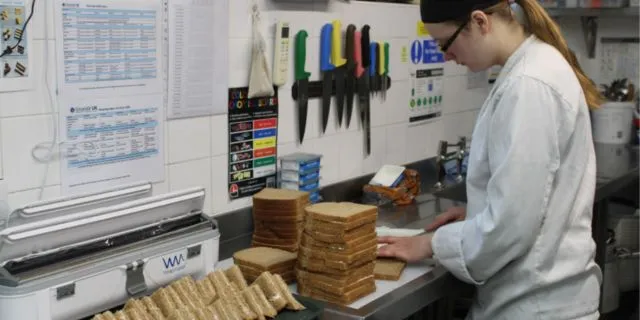
Inspectors assess how food is prepared and handled in the kitchen, and whether staff follow safe food hygiene practices to prevent contamination.
This includes:
These measures are essential for preventing cross contamination and limiting the spread of harmful bacteria.
Staff involved in food preparation are also expected to demonstrate strong personal hygiene, including regular handwashing with warm water and soap, clean uniforms and appropriate protective clothing where required.
Temperature control and safe storage
Temperature control is a key part of food safety and hygiene in nurseries.
EHOs may check how food is stored and served, including fridge and freezer temperatures, hot holding practices and reheating procedures.
This ensures:
Clean and well-maintained food preparation areas are essential in any nursery kitchen.
Inspectors will often review cleaning schedules, observe daily routines and check that effective cleaning products are used correctly.
They will also look at:
Many nurseries also follow Haccp principles (Hazard Analysis and Critical Control Points). This structured approach helps identify food safety hazards and ensures systems are in place to manage risks at every stage of food preparation.
Why food hygiene matters in early years settings
Food hygiene is always important, but in nurseries it is especially critical.
Babies and young children are more vulnerable to harmful bacteria, and their immune systems are still developing. This means poor food hygiene or unsafe food handling can increase the risk of illness.
Nurseries must therefore ensure food is prepared, handled and served safely at all times.
Food hygiene practices are also essential for managing:
Even small lapses in cross contamination prevention can lead to allergic reactions, which is why clear procedures and well-trained staff are so important in early years settings.
Ultimately, strong food safety and hygiene practices help children enjoy mealtimes safely, confidently and as part of a positive nursery experience.
How Grandir UK ensures high standards of food safety

At Grandir UK, mealtimes are an important part of each child’s development, wellbeing and daily routine.
Across our nurseries, we prioritise food safety and hygiene while ensuring children enjoy balanced, nutritious meals that support healthy growth and expose them to a variety of healthy food types.
Many of our settings have dedicated in-house chefs who prepare fresh meals and snacks each day. Our menus are developed and reviewed with our catering specialist to ensure they rotate regularly and offer seasonal variety alongside nutritional balance.
We also recognise that every child is unique. Our nursery teams work closely with families to understand dietary requirements, allergies and preferences, ensuring each child receives safe and suitable meals, with appropriate alternatives where needed.
Whether managing allergens, adapting menus or supporting individual needs, our approach is always centred on the child.
Alongside this, we maintain strong food hygiene policies and consistent food safety practices across all settings, ensuring high standards are followed every day, not just during inspections.
With almost 92% of Grandir UK nurseries holding a 5-star food hygiene rating, families can feel confident that food safety and hygiene remain a consistent priority.
Should parents check a nursery’s food hygiene rating?
A food hygiene rating shouldn’t be the only factor when choosing a nursery, but it can be a valuable part of your decision-making process.
It gives reassurance that the setting is meeting expected hygiene standards and managing food safety responsibly. It also indicates how seriously they take health and safety as a whole.
When visiting nurseries, parents may also want to ask:
Alongside visiting the setting and meeting the team, these questions can help build a clearer picture of how food safety is managed day to day.
Final thoughts
Food plays a central role in a child’s nursery experience. It supports development, encourages social interaction and helps build healthy habits from an early age.
Understanding food hygiene ratings gives parents added reassurance that meals are being prepared safely and responsibly.
At Grandir UK, we are proud of the high standards maintained across our nurseries and the care that goes into every meal served. With almost 92% of our settings achieving a 5-star food hygiene rating, families can feel confident that food safety, hygiene and nutritious meals are carefully considered as part of our commitment to children’s health, wellbeing and development.
Book a visit to your nearest Grandir UK nursery today and see our comprehensive approach to food hygiene for yourself.
Tags
Share this article


Related blog/news
Swipe to see our latest articles.