
Montessori nurseries
Learning inspired by independence and discovery
The Montessori approach encourages children to learn through hands-on experiences, make choices and discover new ideas for themselves.
Many of our nurseries are inspired by elements of Montessori, creating thoughtfully arranged environments where children can explore activities that reflect their interests and stage of development. Practitioners support their learning through observation and guidance, while encouraging growing independence.
What is the Montessori approach?
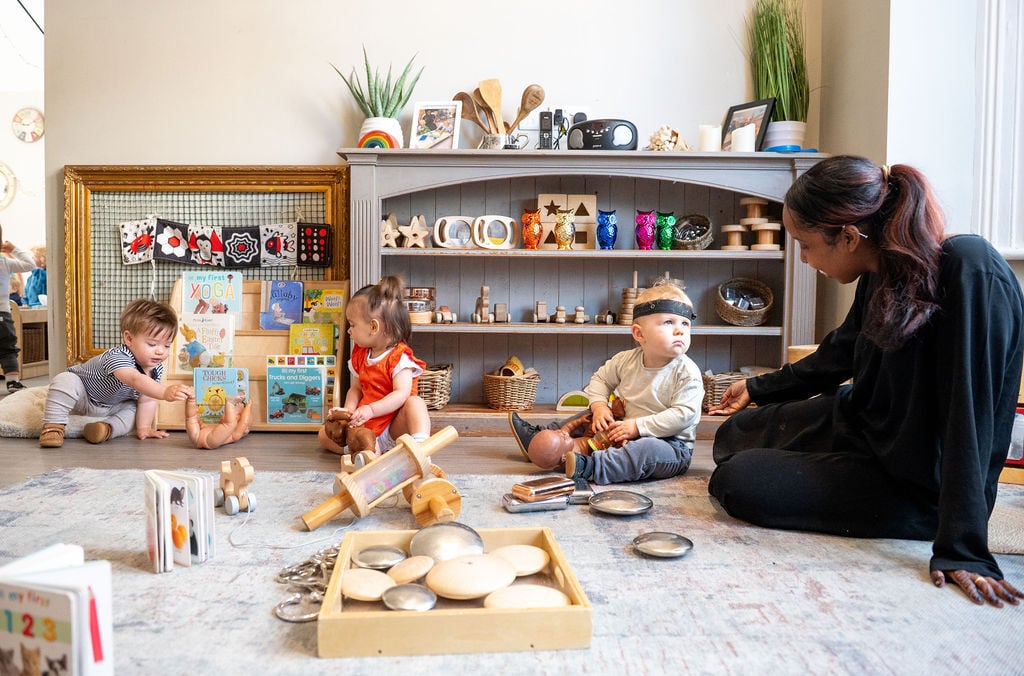
Children can select from carefully considered activities and resources, giving them time and space to explore their interests and develop skills at their own pace.
Practitioners play an important role, observing children's interests and development and providing guidance and support when appropriate.
Independence at the heart of learning
From making choices to exploring thoughtfully selected resources, these principles can give children opportunities to develop independence, curiosity and confidence through everyday experiences.
Child-led learning
Choosing and exploringChildren can choose activities that interest them, building their understanding through hands-on experiences. Practitioners observe, guide and introduce new opportunities as children’s interests and skills develop
Prepared environments
Making exploration accessibleMontessori-inspired environments can be carefully organised to help children access activities and resources independently. Clearly defined areas and accessible resources give children opportunities to make choices and explore different areas of learning.
Hands-on materials
Learning through doingCarefully selected resources give children opportunities to practise skills, investigate ideas and learn through hands-on experiences. Materials can also be chosen with children's size, abilities and stage of development in mind.
Individual pace
Time to developEvery child develops differently. Montessori principles recognise this by giving children time to explore activities, practise skills and develop at a pace that reflects their individual needs.
Learning through everyday experiences
Montessori brings learning into practical, meaningful experiences that children can explore for themselves.
From everyday tasks to language, numbers and sensory discovery, activities provide opportunities to practise skills, investigate ideas and become increasingly independent.
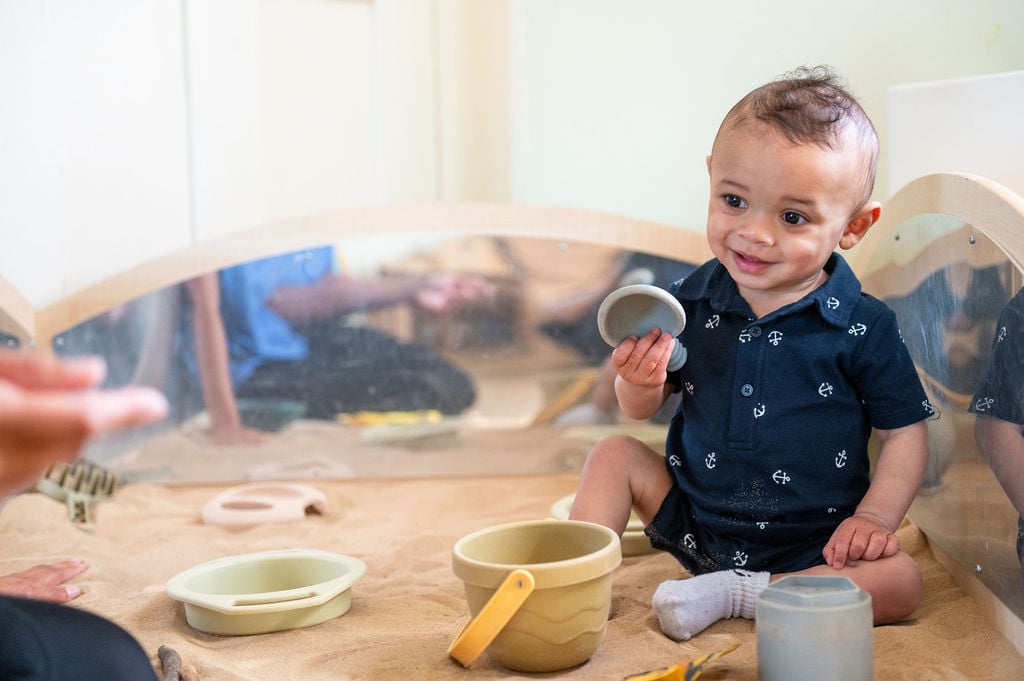
Handling and comparing objects gives children opportunities to notice differences, make connections and explore how things relate to one another.
Find the right Montessori nursery for you
What might children experience?
Montessori inspiration in everyday nursery life
Every nursery has its own character, so Montessori inspiration can look different from one setting to another. Children may have opportunities to make choices, practise everyday skills and spend time exploring activities that capture their interest.
-
Choosing their own activities
Children can select from accessible resources and activities, giving them time to concentrate, explore and move on when they are ready.
-
Everyday independence
Experiences such as helping to prepare for mealtimes, serving food or putting resources away can give children opportunities to take responsibility and practise practical skills.
-
Learning alongside others
Children may spend time alongside children of different ages and stages, creating opportunities to observe one another, communicate and share experiences.
How can Montessori support children's development?
Develop independence
Practising doing things for themselvesMaking choices and taking part in everyday tasks can help children develop growing independence.
Explore and solve problems
Trying different ideasHands-on experiences encourage children to experiment, make connections and discover different ways to approach a challenge.
Develop concentration
Time to focusHaving time to explore something that interests them can encourage children to become absorbed and engaged in what they are doing.
Build practical skills
Learning through everyday experiencesEveryday activities can give children opportunities to practise coordination, movement and age-appropriate self-care skills.
Learn alongside others
Sharing experiencesChildren can observe, communicate and interact with others as they explore and learn within a shared environment.