
Hygge nurseries
Calm, nurturing spaces inspired by Hygge
Many of our nurseries are inspired by elements of the Hygge approach, using calm environments, strong relationships, connections with nature and meaningful everyday experiences to create welcoming spaces where children can feel comfortable, connected and ready to explore.
What is the Hygge approach?
Within early years education, these ideas can influence everything from the nursery environment to the pace of the day. This might include soft lighting, natural materials and cosy spaces, alongside familiar routines, shared experiences and time outdoors.
Children are given opportunities to follow their interests, enjoy meaningful moments with others and explore their surroundings in a calm and nurturing environment.
Creating a sense of calm and belonging
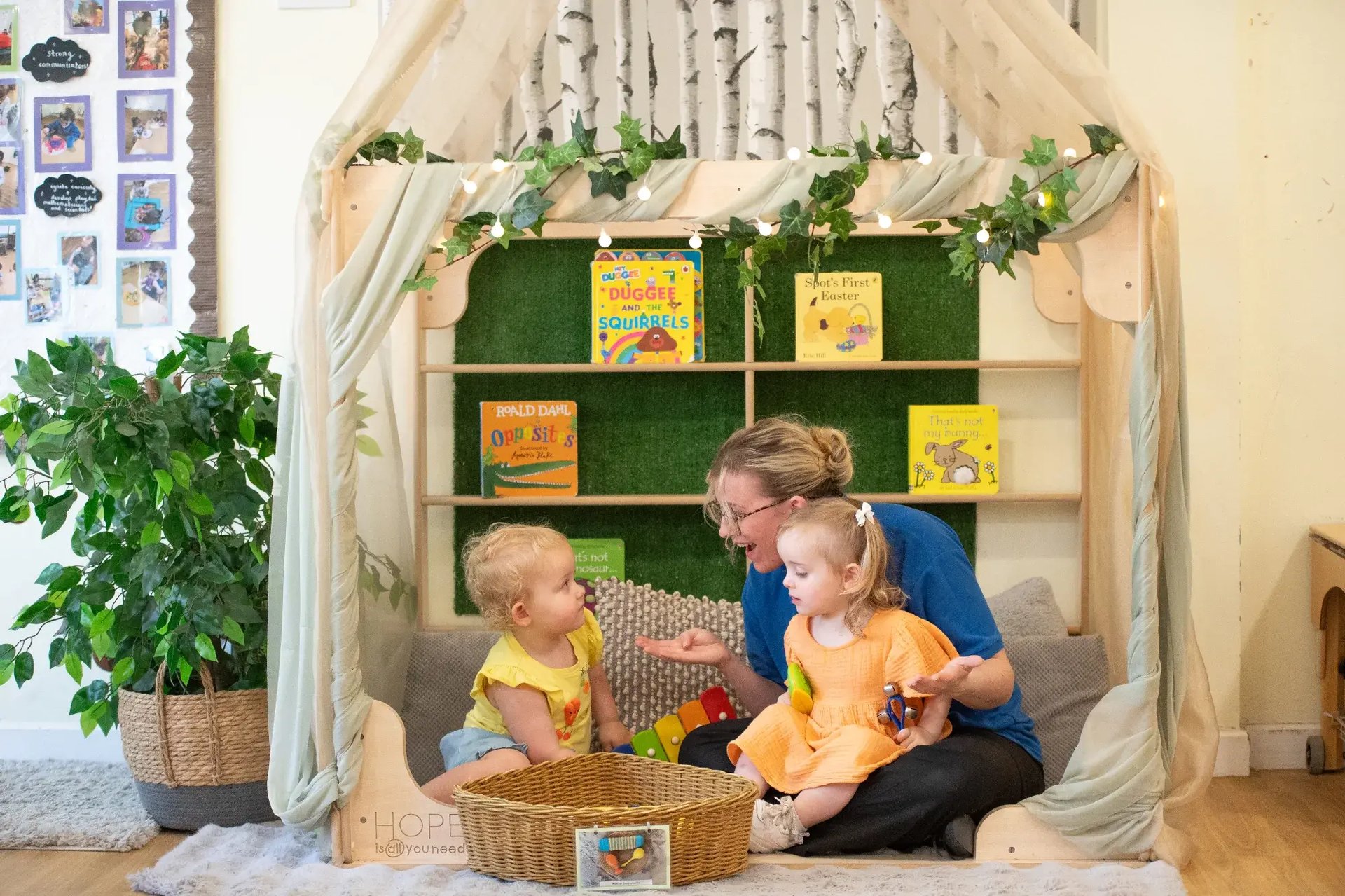
Cosy environments
Warm and welcoming spacesSoft furnishings, natural materials, gentle lighting and thoughtfully organised spaces can create a calm and welcoming atmosphere. Cosy areas can also offer places for quieter moments, exploration or spending time with others.
Mindful experiences
Time to enjoy the momentHygge encourages a calmer pace, giving children time to become absorbed in their play, notice their surroundings and enjoy everyday experiences. Practitioners can follow children's interests and allow experiences to develop naturally.
Connecting with nature
Discovering the world outdoorsTime outside gives children opportunities to notice changing seasons, wildlife, weather, sounds and textures. These everyday discoveries can encourage curiosity, conversation and exploration.
Strong relationships
Building connections with othersWarm, responsive relationships are an important part of Hygge-inspired practice. Playing, talking, sharing stories and eating together can all create opportunities for children to connect with other children and their nursery practitioners.
Learning through everyday moments
Within that rhythm, there is still plenty of room for child-led play, exploration and spontaneous experiences.
From crunching autumn leaves to noticing wildlife, simple moments outside can become opportunities for discovery and conversation.
These everyday moments can encourage communication, relationships and a sense of belonging within the nursery.
Find the right Hygge nursery for you
What might children experience?
What a Hygge-inspired nursery can feel like
Every Hygge-inspired nursery has its own character, but the approach can influence the environment, routines and everyday experiences children encounter.
-
Calm and cosy spaces
Children might find softly lit areas, natural materials, comfortable furnishings and cosy corners where they can play, explore or enjoy quieter moments.
-
Moments to slow down
The nursery day may include quieter experiences such as stories, music or opportunities to notice and talk about things children have enjoyed.
-
Shared experiences
Mealtimes, group activities and everyday conversations can provide opportunities for children and practitioners to spend meaningful time together and strengthen relationships.
How can Hygge support children's development?
Develop relationships
Spending time togetherShared experiences give children opportunities to communicate, interact and build relationships with others.
Sensory exploration
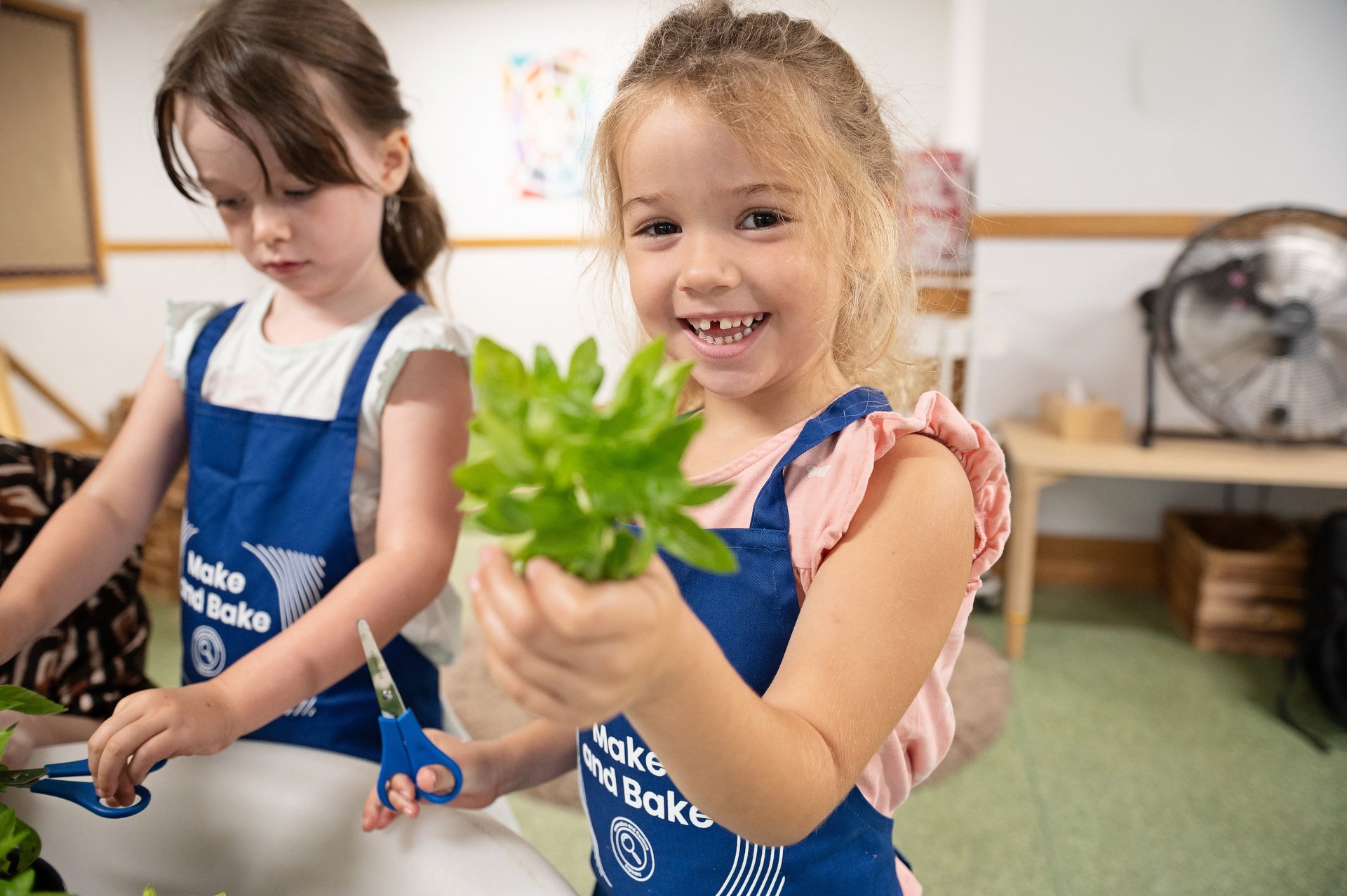
Discovering through playNatural materials and sensory experiences can encourage children to explore different textures, sounds, sights and surroundings.
Connect with nature
Exploring the world outdoorsTime outside gives children opportunities to notice, investigate and talk about the natural world around them.
Become absorbed in play
Time to exploreA calmer pace can give children time to follow their interests, become engaged in their play and develop their ideas.