
The Curiosity Approach
Where imagination meets learning
The Curiosity Approach encourages exploration, discovery and a natural love of learning, with children's curiosity and interests at its heart.
A number of our nurseries are inspired by elements of the Curiosity Approach, creating opportunities for children to use their imagination, follow their interests and discover through their own experiences.
What is the Curiosity Approach?
Inspired by established early years approaches including Reggio Emilia, Montessori, Pikler and Steiner, it encourages children to take an active role in their learning by following their interests, making choices and discovering through play.
Curiosity Approach-inspired environments can use calm spaces and carefully chosen resources to invite children to explore, investigate and use their imagination.
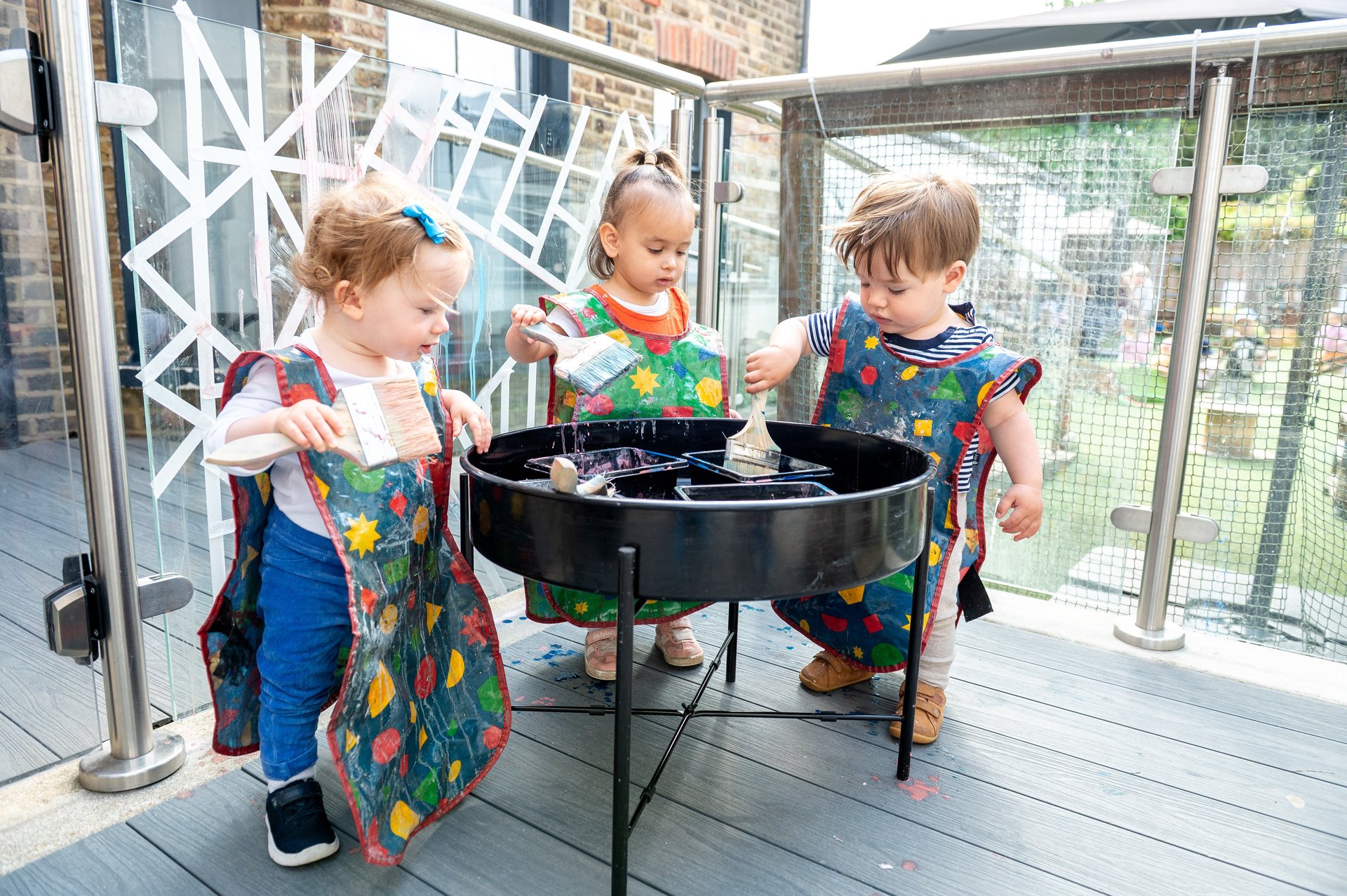
Key principles of the Curiosity Approach
Curiosity-inspired environments draw on principles that encourage children to follow their interests, use their imagination and discover through meaningful, child-led experiences.
Curiosity
Freedom to exploreChildren can follow their interests, make choices and investigate the world around them, giving them time to explore ideas at their own pace.
Creativity
Imagination at workOpen-ended materials can be explored in different ways, allowing children to decide what they become and how they fit into their play.
Sustainability
Engaging thoughtful choicesNatural, recycled and reusable resources can give children opportunities to explore ideas around caring for materials and the environment.
Authenticity
Real objects to exploreEveryday and natural objects offer different textures, shapes, weights and possibilities, encouraging children to investigate and use them creatively in their play.
How the Curiosity Approach supports learning
Loose parts such as wooden blocks, corks, fabrics and natural objects can become whatever a child imagines. This approach gives children opportunities to experiment, solve problems, make decisions and develop their own ideas through play.
Preparing food, for example, can introduce different textures, smells and flavours while encouraging independence and practical skills. Gardening can help children explore where food comes from, observe change and take responsibility for caring for something over time.
These conversations encourage children to express their ideas, listen to others and think more deeply about their experiences.
How can the Curiosity Approach support children's development?
Explore and solve problems
Trying out their ideasOpen-ended experiences can encourage children to investigate possibilities, make choices and try different approaches.
Develop curiosity and confidence
Following their interestsChildren can take an active role in their learning by exploring the things that capture their interest and curiosity.
Build relationships through play
Exploring togetherShared experiences give children opportunities to communicate, exchange ideas, cooperate and play alongside others.