

Blog
What is the difference between Montessori nurseries and regular nurseries?
Blog

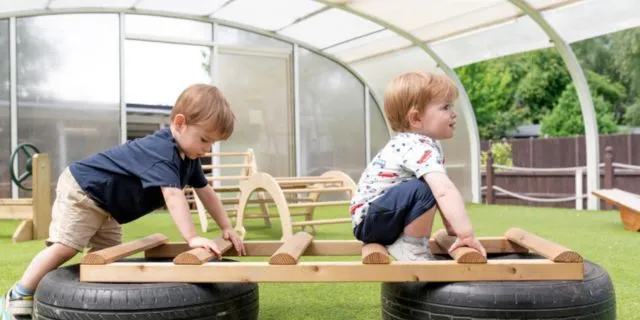
Choosing the right early years setting for your child is a big decision, and one every family approaches with care. In the UK, many families explore the differences between Montessori nurseries and traditional nurseries to understand which environment might best suit their child’s personality, interests, and way of learning. While both offer nurturing environments, they follow different educational philosophies that shape how children learn, play and grow. Having a clear understanding of these key differences can help you feel confident in choosing a setting where your child will truly thrive.
Understanding the Montessori approach

The Montessori Method, developed by Italian physician Dr Maria Montessori, is a gentle, child-led philosophy rooted in independence, emotional development, and hands-on learning. This approach allows children to explore at their own pace and follow their own individual learning journey. A Montessori environment is carefully prepared with purposeful materials, including wooden toys and hands-on activities, designed to encourage problem-solving, curiosity and confidence.
In Montessori settings, educators observe rather than instruct. Montessori teachers act as guides, stepping in only when needed and allowing children to direct their own learning. This creates a calm, nurturing environment where younger and older children learn alongside one another, supporting peer learning and helping older children naturally develop leadership skills and empathy.
Key features of Montessori nurseries include:
This child-led learning approach allows children to develop at their own pace, fostering a lifelong love of learning within a calm, nurturing, environment.
What traditional nurseries offer

Traditional nurseries in the UK usually follow the Early Years Foundation Stage (EYFS) framework, providing a structured curriculum that blends child-led play with teacher-led activities. This approach gives children with a familiar routine while still encouraging exploration and emotional development. For many families, a structured nursery environment helps prepare children for school, and provides opportunities to socialise with peers of the same age.
Key characteristics of traditional nurseries include:
Traditional nurseries provide a warm, reliable environment that helps build confidence, school readiness and social skills.
Key differences between Montessori and traditional nurseries
| Aspect | Montessori nursery | Traditional nursery |
| Learning style | Child-led learning and self-directed learning | Teacher-led with structured curriculum and structured lessons |
| Classroom setup | Mixed ages using hands-on materials | Age-specific groups with varied play resources |
| Role of teacher | Gentle guide who observes | Active instructor who plans and gently guides activities |
| Pace | Children progress at their own rhythm, allowing children to learn at their own pace | Development follows general curriculum milestones |
| Focus | Independence, emotional development, leadership skills, problem problem-solving | Social skills, school readiness, routine and structure |
Both traditional and Montessori nurseries aim to prepare children for their next stage of learning, providing meaningful and nurturing support for early years education.
Making the right choice for your child

When choosing between Montessori versus traditional nursery options, it can help to consider your child’s personality and how they respond to different environments. Think about:
It is also helpful to visit nurseries in person. Observing the environment, exploring the materials, learning about student-to-teacher ratios, and speaking with teachers can give you a better sense of what feels right for your child’s learning experience.
Ultimately, whether your child flourishes in a Montessori setting or a traditional nursery, the most important thing is that they feel safe, supported, and inspired to explore and grow. Both approaches can provide environments where children develop confidence, independence, and a love of learning.
Grandir UK nurseries offer a variety of early years environments, from Montessori-inspired nurseries to warm, play-based traditional nursery settings. No matter which approach you choose, our aim is always the same: to create a joyful, nurturing space where children learn at their own pace and build the confidence, they need for lifelong success.
Book a visit to your local Grandir UK nursery today and discover what makes our approach to early years education so special. We look forward to welcoming you and your family!
Tags
Share this article


Related blog/news
Swipe to see our latest articles.