

Blog
World Autism Acceptance Month 2026: Helping children with different needs thrive
Blog

Every April families, organisations and communities around the world celebrate Autism Acceptance Month, a time dedicated to promoting understanding, celebrating diversity and encouraging meaningful autism acceptance across all areas of society.
While previous campaigns focused heavily on raising awareness, the conversation has evolved. Today, World Autism Acceptance Month places greater emphasis on understanding, inclusion, and ensuring that people with different needs are supported to live, learn and work in environments where they feel respected and valued.
For early years settings, this month is a vital opportunity to reflect on how we support children and their families, particularly those who may experience the world in different ways, including children with autism and other children with additional needs.
Why Autism Acceptance Month matters in early years
Nursery is often the first place where children begin to interact with a wider community beyond their immediate families, carers, and home environment. These early experiences play a significant role in shaping how children learn to communicate, build relationships, and understand others’ differences.
By promoting autism acceptance and inclusive values from the earliest stage of education, early years professionals can help create environments where children learn that people communicate, play, and interact in different ways and that these differences are a normal and positive part of life.
This approach not only supports children with additional needs but also helps their peers develop empathy, confidence, and social understanding, skills that will support them throughout school, adolescence, and into adult life.
Supporting children with additional needs in nursery settings
Early years practitioners are often among the first professionals to notice when a child may benefit from additional support. Through careful observation, regular communication with families, and collaboration with external professionals, nurseries can gather detailed information that helps them tailor their approach to each child’s strengths, interests and needs.
Frameworks such as the Special Educational Needs and Disability Code of Practice guide how settings should identify needs early, put appropriate strategies in place, and ensure children and carers are fully involved in decision-making.
In practice, this can include:
These approaches help create inclusive environments where all children feel confident, supported, and able to participate fully in nursery life.
The vital role of the SENCo in creating inclusive environments
A key figure in this process is the Special Educational Needs Coordinator (SENCo). In early years settings, the SENCo is responsible for coordinating support for children with additional needs, working closely with families, and supporting colleagues to develop inclusive practice across the whole team.
SENCos also play a vital role in ensuring that staff have access to training, resources, and professional development opportunities that help them better understand conditions such as autism and other developmental differences. By sharing knowledge and promoting best practice, they help build confident, capable teams who can respond effectively to a wide range of needs.
Here are some inspiring stories from some Grandir UK SENCo’s who’ve really made an impact:
Emma’s story: Supporting children and families with compassion and understanding
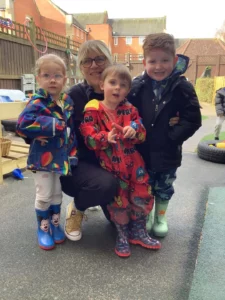
For Emma, working as a SENCo at Kiddi Caru Colchester has allowed her to turn her passion for helping others into a career that makes a real difference every day.
Emma began her journey in early years straight after college and quickly discovered a strong interest in supporting children who benefit from additional guidance and encouragement. Over the past two years in her SENCo role, she has worked closely with families and professionals to support children with a wide range of needs, including those with autism. She expressed: “There is nothing more rewarding than watching a child discover their strengths and begin to thrive.”
Emma explains that being part of children’s developmental journeys and building trusting relationships with their families has been one of the most meaningful aspects of her career. Each child she supports brings unique perspectives, abilities, and ways of communicating, reinforcing her belief that inclusive early education benefits everyone. She stated: “Each child has left a lasting impression on me and I feel incredibly grateful to their families for trusting me to support them.”
Angie’s journey: How personal experience inspired a professional path in SEND

For Angie, Nursery Manager at Kiddi Caru Great Park Road and Kiddi Caru Bradley Stoke (Webbs Wood Road), her commitment to supporting children with additional needs began when her own son was diagnosed with autism at the age of seven.
Wanting to better understand how to support him, Angie immersed herself in training, courses, and online community discussions, learning about communication strategies, sensory differences, and ways to help children with autism build confidence and independence.
At the same time, she continued to build her career in early years, eventually becoming a Nursery Manager. Her personal experiences shaped her professional values and strengthened her determination to ensure that all children, regardless of their need, have access to high-quality, inclusive childcare.
In July 2025, Angie enrolled in a Level 3 SENCo qualification with Best Practice Network. Balancing study with managing nurseries and supporting her team was challenging, but she remained committed to completing the course. Reflecting on the experience, she expressed: “When I finished my last assignment in December, I felt relief but also a huge sense of pride. On the days I thought I couldn’t do it, I reminded myself why I started.”
Her enthusiasm for learning has already inspired another colleague to enrol on the next SENCo course, demonstrating how professional development can influence not just one individual, but an entire setting.
Creating inclusive environments that benefit every child
Autism acceptance in early years is not about a single event or campaign. It is reflected in everyday interactions, routines and decisions. By creating predictable environments, offering flexible approaches to learning and encouraging children to respect and celebrate differences in how others communicate or play, nurseries help build a more inclusive culture from the very start.
Building a more accepting future together
Through the dedication of colleagues like Emma and Angie, Grandir UK continues to promote inclusive practice, open up meaningful employment opportunities, strengthen partnerships with families and invest in training that supports children with a wide range of needs.
By working together with families, professionals and communities, we can help create a future where every child feels understood, confident and supported to thrive.
Share this article


Related blog/news
Swipe to see our latest articles.