

When choosing a nursery strong health and safety is a key aspect families look out for. Knowing that your child is in a safe and secure environment offers peace of mind and instils trust that you can truly rely on an early years provider.
Nurseries are legally required to comply with various health and safety legislations, including the Safeguarding and Welfare requirements section of the Early Years Foundation Stage Framework and the Health and Safety Act 1974.
At Grandir UK, health, safety and well-being are at the core of everything we do; from our daily activities we run to the design of our playrooms. Additionally, our comprehensive Health and Safety Scholar Programme provides our nurseries with a structured framework to help them maintain strong, progressive and proactive health and safety standards across the board. To us, strong health and safety in nurseries isn’t just a tick box measure; it’s part of our culture, embedded in everyday practice
Here are some important things to consider when finding a safe nursery for your child to thrive in.
What to look out for
Strong safeguarding policies
A safe nursery environment should always have strong safeguarding policies and comprehensive risk assessments in place. These are set to protect children’s well-being and ensure welfare requirements are being met. These policies protect everyone in the setting, from the children on their early years education journey to the staff who make a difference to children’s lives every day.
Within the nursery, families should look out for:
- A Designated Safeguarding Lead (DSL): This is an individual, typically the Nursery Manager, who coordinates safeguarding and child protection issues.
- Secure entry systems: This might be buzzers or coded doors.
- Visitor sign-in procedures: Tracking who enters and exits the nursery with ID checking as a reasonable precaution.
- Policies for picking up children: to ensure safe pick-ups and drop-offs.
Experienced and qualified staff
Nursery teams play an active role in the nursery’s overall approach to safety.
Staff health and safety requirements families should look out for:
- Adherence to staff-to-child ratios: There needs to be enough staff members to care for the number of children present – this varies per age group.
- Paediatric first aid training: This equips staff with the necessary skills to respond to emergencies within the nursery environment.
- Regular safeguarding training: In-depth knowledge of safeguarding children and good practice needs to be maintained to keep up to date.
- Fire safety training: In the event of a fire, nursery staff should have an emergency procedure plan in place (which includes a fire evacuation procedure).
- Awareness of the health and safety laws and health and safety policies.
- Excellent food safety control measures.
Clean and well-maintained environment
The physical environment of a nursery setting says a lot about the nursery’s safety standards. Children spend a lot of time learning in playrooms and outdoor spaces, so these areas need to be clean, clear and free of potential hazards to ensure child safety.
Signs of a well-managed nursery environment include:
- Clean rooms, including bathrooms.
- Childproofing measures, such as childproof locks on windows, removing hanging wires, and securing furniture.
- Regular risk assessments to identify aspects which are potential hazards and limit dangerous occurrences.
- Comprehensive health and hygiene requirements and routines.
- Risk-assessed outdoor spaces with staff guidance during physically challenging play.
A good Ofsted inspection rating
A childcare provider’s Ofsted inspection outcome is extremely important, and it’s an aspect we recommend checking when evaluating a nursery’s safety.
Under the new Ofsted inspection framework, nurseries are graded on a five-point scale:
- Exceptional
- Strong Standard
- Expected Standard
- Needs Attention
- Urgent Improvement
An Exceptional or Strong Standard rating usually indicates that a nursery has strong safety procedures, well-trained, knowledgeable staff and a safe learning environment. Families should read the full report to see further commentary about the nursery’s practices.
Open communication with families
Safe nurseries are transparent and communicative with families throughout their child’s early years journey.
Good signs include:
- Regular updates on children’s daily nursery life; the families at our nurseries receive updates via the Grandir UK App.
- Staff such as nursery leaders or your child’s key person sharing daily feedback at pick-up.
- Systems for reporting injuries, incidences and accidents.
Happy and engaged children
One of the easiest and quickest ways to gauge a nursery environment is by observing the children during a visit.
Families should notice:
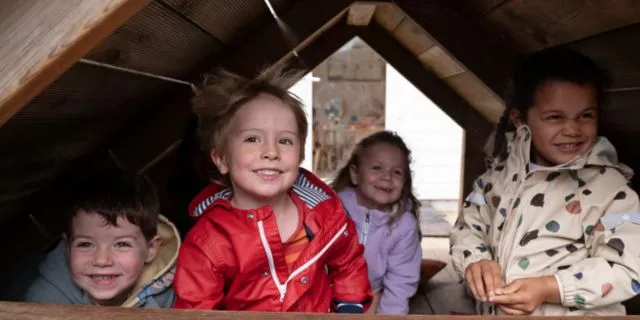
- Children who are happy and relaxed.
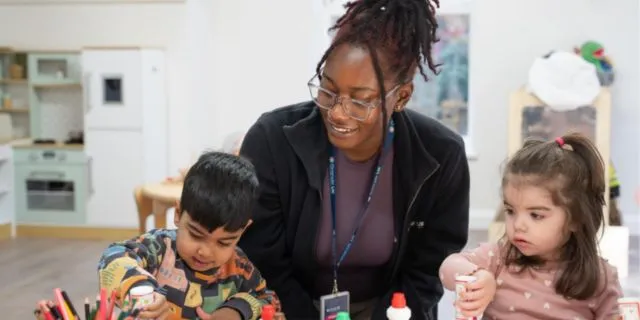
- Staff interacting warmly with children.
- Engaging and safe activities, play and educational programmes.
- Calm and organised routines.
A safe environment supports both emotional security and physical safety.
The role of ‘risky play’
Safe nurseries don’t remove challenge completely instead, they supervise it carefully. Children’s development flourishes when they’re encouraged to:
- Balance on beams or stepping stones.
- Jump from small heights.
- Explore varied outdoor surfaces.
- Climb low equipment.
- Encourage activities that require confidence and coordination.
Nurseries should gently stretch children to the limit of their capabilities which means:
- Challenging them appropriately.
- Helping them learn what their bodies can do.
- Supporting them to try, assess risk and try again.
- Building confidence without pushing them too far.
Choosing a nursery you can trust
Finding a safe nursery is about more than simply checking policies or inspection results. It’s about seeing how safety is embedded into the daily life of the setting – from well-trained staff and secure environments to clear communication with families and happy, confident children.
When visiting nurseries, trust your instincts and take time to ask questions about safeguarding, staff training and health and safety procedures. A quality early years provider will always be open, transparent and happy to discuss how they keep children safe.
Ultimately, a truly safe nursery is one where children feel secure, supported and free to explore their environment with confidence. When strong safeguarding practices, experienced staff and a nurturing atmosphere come together, families can feel reassured that their child is in a place where they can learn, grow and thrive.
Share this article


Related blog/news
Swipe to see our latest articles.